
select your Language
News & Media
Stay updated with the latest ESG trends, insights, and company news.

Listed Companies in Vietnam: How the 2026 ESG Disclosure Roadmap Is Tightening
For companies listed on HOSE or HNX, 2026 marks a turning point: ESG reporting is no longer a voluntary, formality-driven document, but is steadily becoming a mandatory obligation under a clear legal roadmap. This article summarizes the latest updates on ESG disclosure requirements in Vietnam, helping listed companies understand exactly where they stand in the compliance timeline and what to prepare for next.
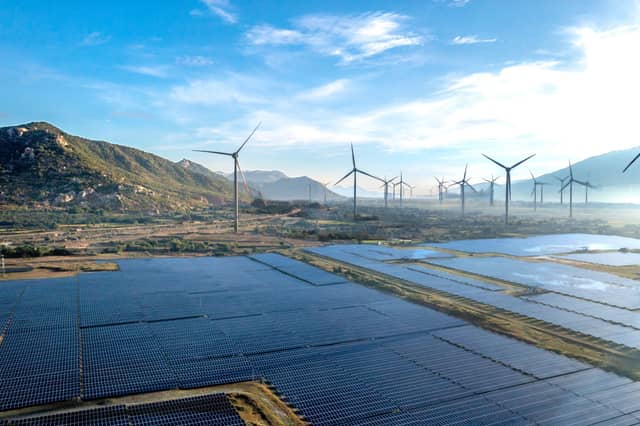
Vietnam Targets a 10% Green Economy Contribution to GDP: How Should Businesses Prepare for the ESG Turning Point?
In late July 2026, the 3rd Plenum of the 14th Central Committee officially implemented Conclusion No. 75-KL/TW, allocating a minimum of 2% of the annual total state budget expenditure for environmental protection in the 2026-2030 period. This massive public resource not only serves as a catalyst to mobilize additional global green financial flows but also sends a clear message to the business community: the green transition has officially become a mandatory condition for survival.
ISSB Steps Back from Mandatory Nature Reporting: What This Means for Your ESG Disclosure ?
The ISSB Did Not Remove Nature Risk from ESG Reporting The International Sustainability Standards Board (ISSB) has confirmed it will not issue a standalone mandatory nature disclosure standard.
CBAM and Exporters: The 2026 Compliance Checklist
CBAM Has Moved Beyond Reporting and Into Market Access Your EU buyer just sent a request for verified embedded emissions data. If you don’t have the system to respond, you are already behind.
Green Data Centers in Vietnam: PUE Optimization and ESG Reporting Guide
Vietnam's Data Center Sector Is at a Strategic Inflection Point Vietnam's digital infrastructure market is growing fast and the pressure to make that growth sustainable has never been more acute.
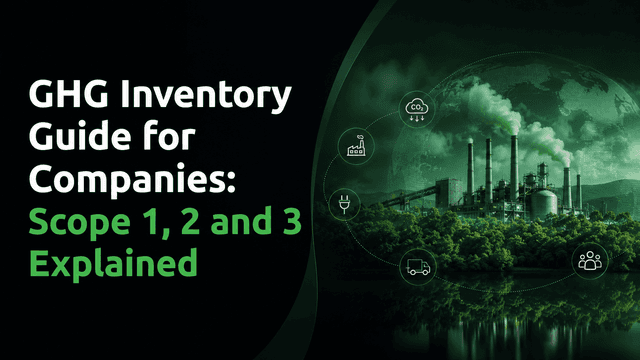
GHG Inventory Guide for Companies: Scope 1, 2 and 3 Explained
Your Emissions Data Is Now a Business Asset & Here's How to Measure It Right Greenhouse gas (GHG) inventory used to be the domain of environmental engineers and sustainability specialists tucked away in large multinationals.
Recycling Reinvented: Vietnam’s Leap Toward a Circular Economy
Vietnam’s recycling sector is transforming via advanced tech, with pioneers like Duy Tan turning waste into resources - driving environmental solutions and sustainable green growth.
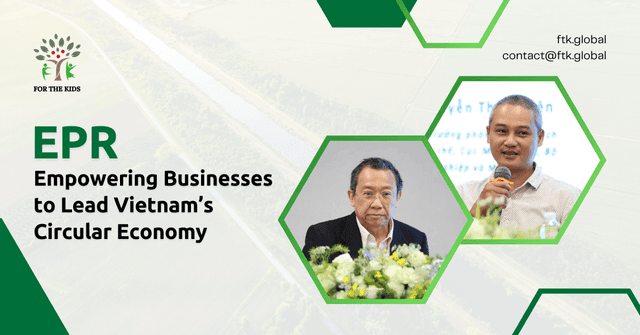
EPR – Empowering Businesses to Lead Vietnam’s Circular Economy
Since 1 Jan 2024, EPR has moved Vietnam’s circular economy from law to action, serving not only as an environmental requirement but also as an opportunity for businesses to innovate, enhance their brand, and boost global competitiveness.
Let’s talk!
Receive Free ESG Assessment
Discover how you can collaborate with FTK in the dynamic landscape of South East Asia sustainability.