Since January 1, 2024, Vietnam’s Extended Producer Responsibility (EPR) policy, under the 2020 Environmental Protection Law, mandates that manufacturers and importers are responsible for collecting and recycling (or treating) their products after use from packaging and batteries to tires and electronics. This policy shift is sparking real action toward a circular economy.
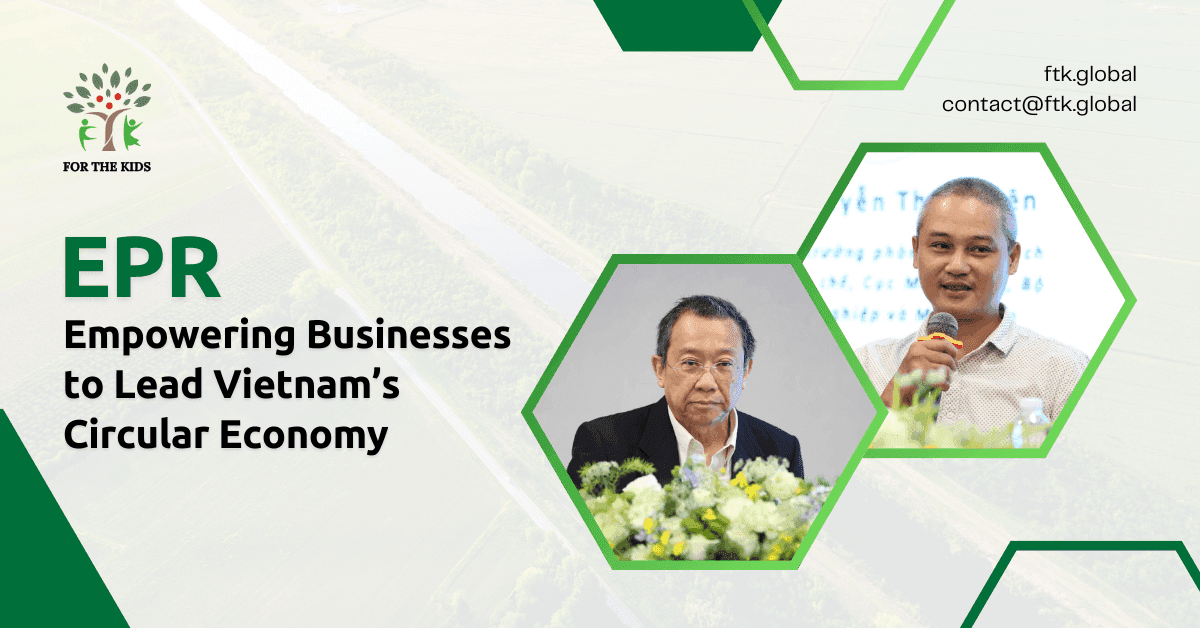
At the “Green Packaging: EPR Drives Sustainable Value” forum, Mr. Nguyễn Thành Yên (Department of Environment, Ministry of Agriculture & Rural Development) emphasized that businesses stand at the center of EPR implementation and circular economy realization because they control product design, materials, lifecycle, and end-of-life management.
EPR is increasingly seen by companies not as a mere legal obligation, but as a strategic lever for sustainable production redesign—from packaging innovation to process optimization and brand repositioning. Those who lead will stand out, attracting consumer loyalty and green investments. However, implementation is challenging. Vietnam faces gaps in recycling infrastructure, outdated supply chains, and limited environmental awareness in both businesses and consumers. Effective EPR demands actionable solutions: establishing Producer Responsibility Organizations (PROs), enhancing financial transparency, supporting recycling innovation, and promoting societal engagement.
EPR marks a pivotal shift in Vietnam’s environmental policy - a strategic vehicle for businesses and national sustainability. Realizing its potential will require coordinated effort from government, enterprises, and communities to build a robust and inclusive circular economy.
#EPR #CircularEconomy #Sustainability #VietnamESG #GreenBusiness #FTK