
select your Language
News & Media
Stay updated with the latest ESG trends, insights, and company news.

Listed Companies in Vietnam: How the 2026 ESG Disclosure Roadmap Is Tightening
For companies listed on HOSE or HNX, 2026 marks a turning point: ESG reporting is no longer a voluntary, formality-driven document, but is steadily becoming a mandatory obligation under a clear legal roadmap. This article summarizes the latest updates on ESG disclosure requirements in Vietnam, helping listed companies understand exactly where they stand in the compliance timeline and what to prepare for next.
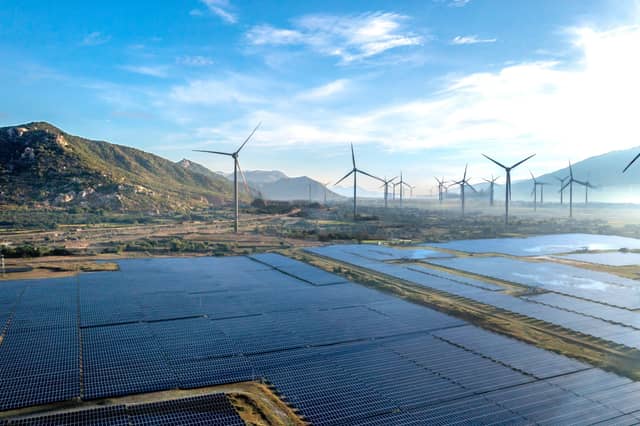
Vietnam Targets a 10% Green Economy Contribution to GDP: How Should Businesses Prepare for the ESG Turning Point?
In late July 2026, the 3rd Plenum of the 14th Central Committee officially implemented Conclusion No. 75-KL/TW, allocating a minimum of 2% of the annual total state budget expenditure for environmental protection in the 2026-2030 period. This massive public resource not only serves as a catalyst to mobilize additional global green financial flows but also sends a clear message to the business community: the green transition has officially become a mandatory condition for survival.

4-Step Roadmap for Businesses to Move from Manual ESG Reporting to Automated Software
Every ESG reporting cycle, countless businesses are still wrestling with dozens of Excel files, mismatched figures between departments, and mounting anxiety ahead of each audit. As international reporting standards such as GRI, IFRS, and TCFD grow increasingly stringent, shifting to automated software is no longer optional - it is now a necessity.

Asia’s Carbon Market 2026: A Historic Turning Point and Action Plan for Businesses
Entering the first half of 2026, Asia's carbon credit markets and Emission Trading Systems (ETS) are no longer just "encouraged" or "voluntary" concepts. Dual pressures from international regulations - most notably the EU’s Carbon Border Adjustment Mechanism (CBAM) entering its mandatory compliance phase on January 1, 2026, alongside the newly updated Nationally Determined Contributions (NDC 3.0), have transformed carbon management into a core economic tool that dictates the competitiveness of every enterprise in the region.

The Architecture of Vietnam’s New Carbon Market: A Masterclass for Forward-Thinking EnterprisesThe Architecture of Vietnam’s New Carbon Market: A Masterclass for Forward-Thinking Enterprises

FLASH NEWS: Vietnam’s First Domestic Carbon Trading Exchange Officially Launches on HNX
On June 29, 2026, Vietnam marked a monumental milestone in its journey toward sustainable economic development. The Ministry of Finance, in close collaboration with the Ministry of Agriculture and Environment (MAE), officially inaugurated the country's first domestic carbon trading exchange platform at the Hanoi Stock Exchange (HNX).
ISSB’s Nature Reporting Step-Back Does Not Remove the Disclosure Risk
Nature reporting has just moved from a near-term mandatory standard into a slower, more flexible pathway. That does not mean nature risk has disappeared from ESG disclosure.
ISSB Steps Back from Mandatory Nature Reporting: What This Means for Your ESG Disclosure ?
The ISSB Did Not Remove Nature Risk from ESG Reporting The International Sustainability Standards Board (ISSB) has confirmed it will not issue a standalone mandatory nature disclosure standard.
Let’s talk!
Receive Free ESG Assessment
Discover how you can collaborate with FTK in the dynamic landscape of South East Asia sustainability.